Interior design styles.
9 interior design styles, each with its palette, materials, signature furniture shapes, what to avoid and the warmth of the light. These are the rules the AI interior designer follows when it furnishes your floor plan.
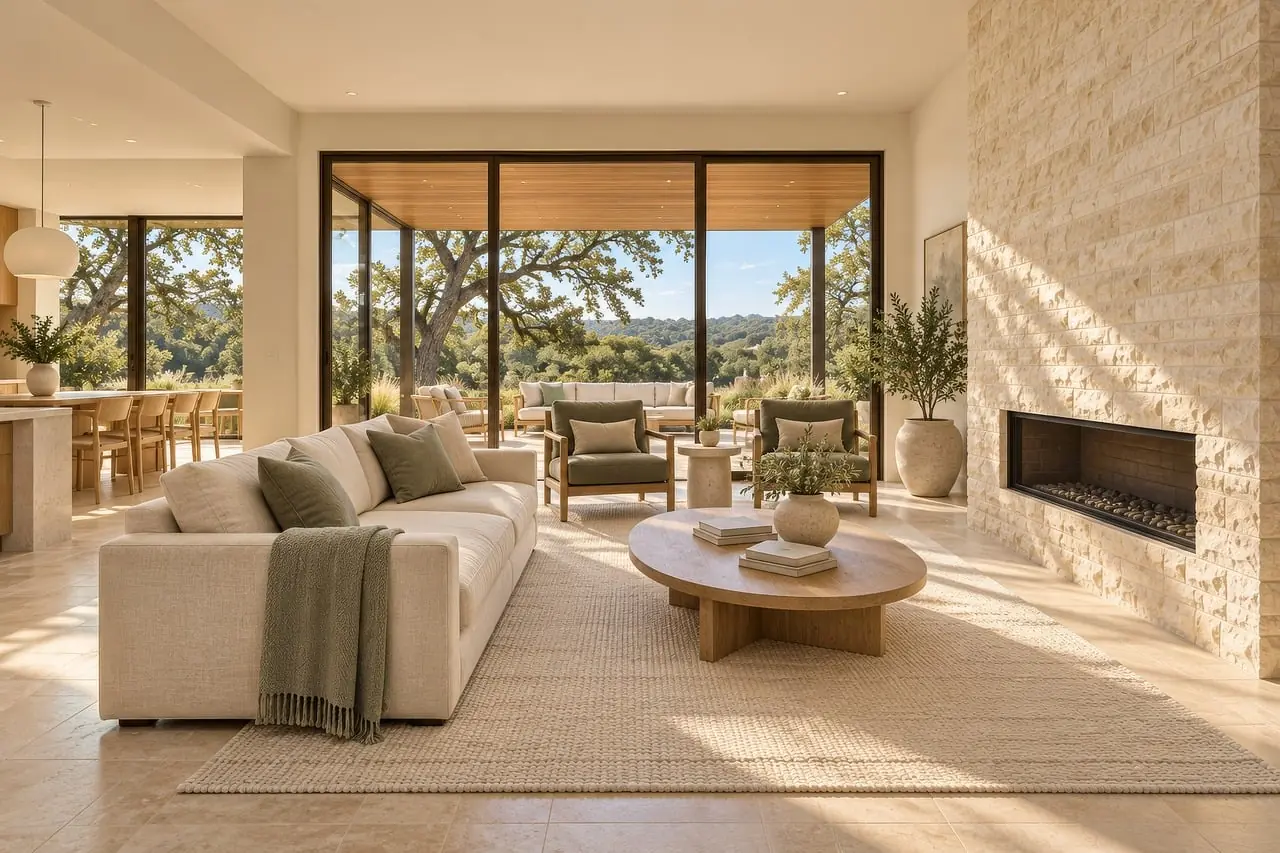
01 — Wood · Fabric · Rattan
Japandi & natural wood
Solid oak frames, rounded edges
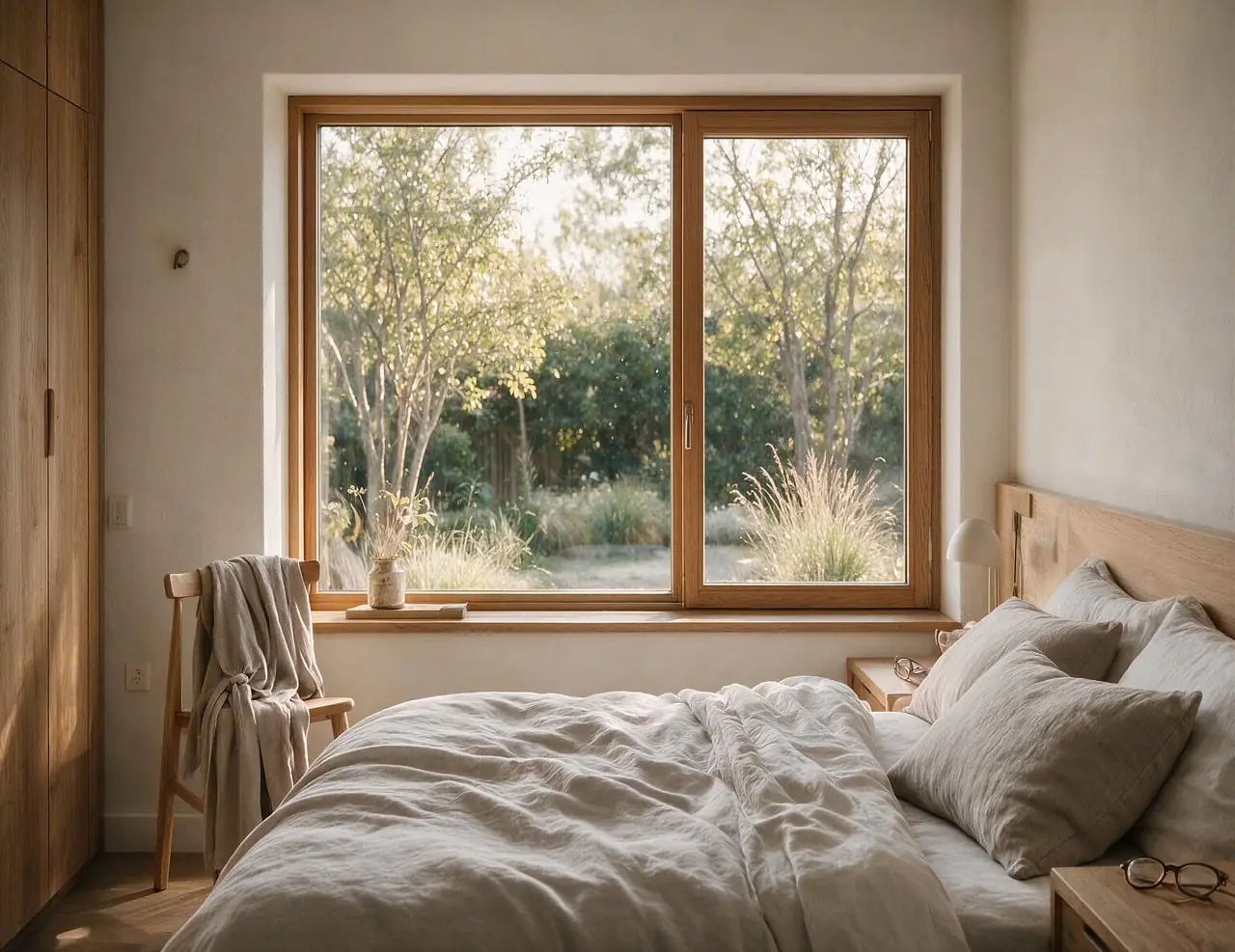
02 — Stone · Wood · Fabric
Wabi-sabi
Low and grounded, organic irregular forms
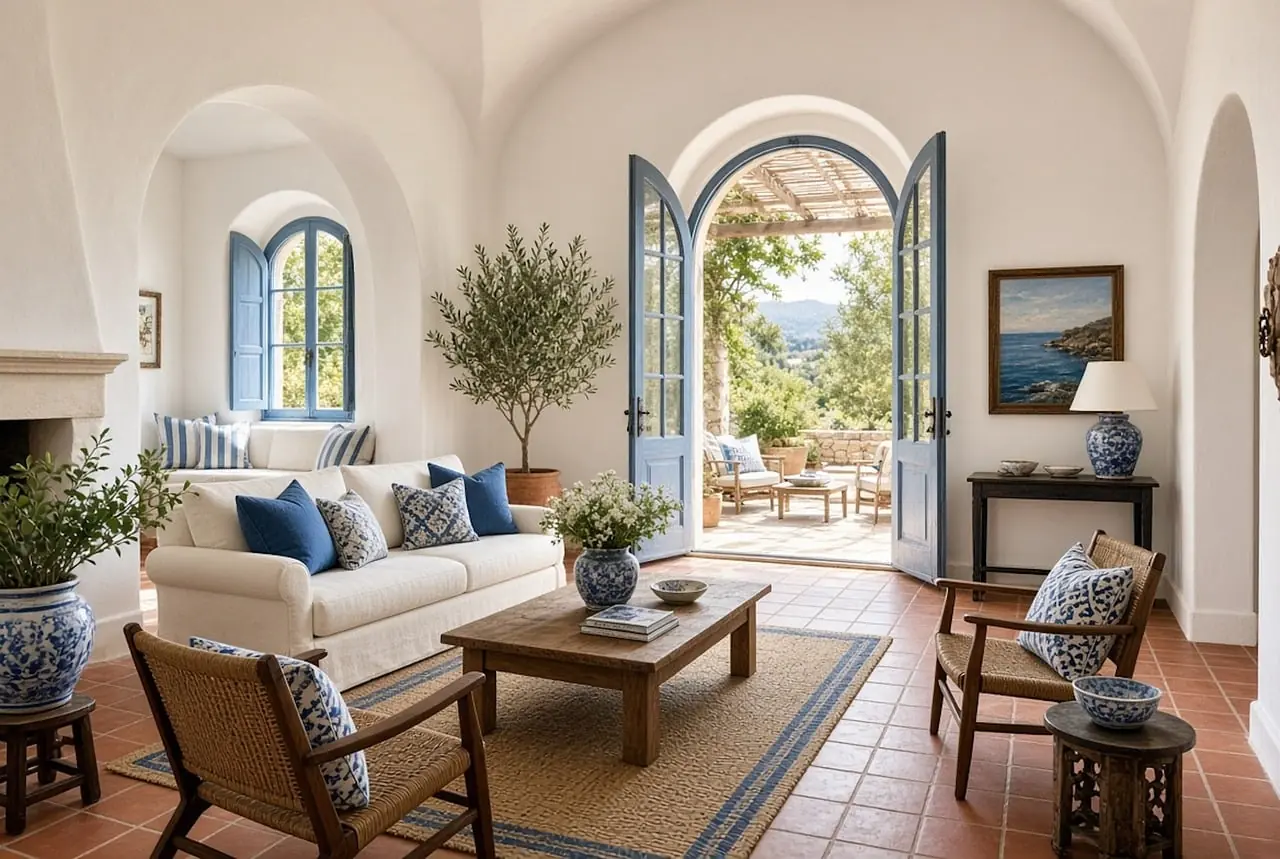
03 — Wood · Velvet · Fabric
French
Cabriole legs, carved frames
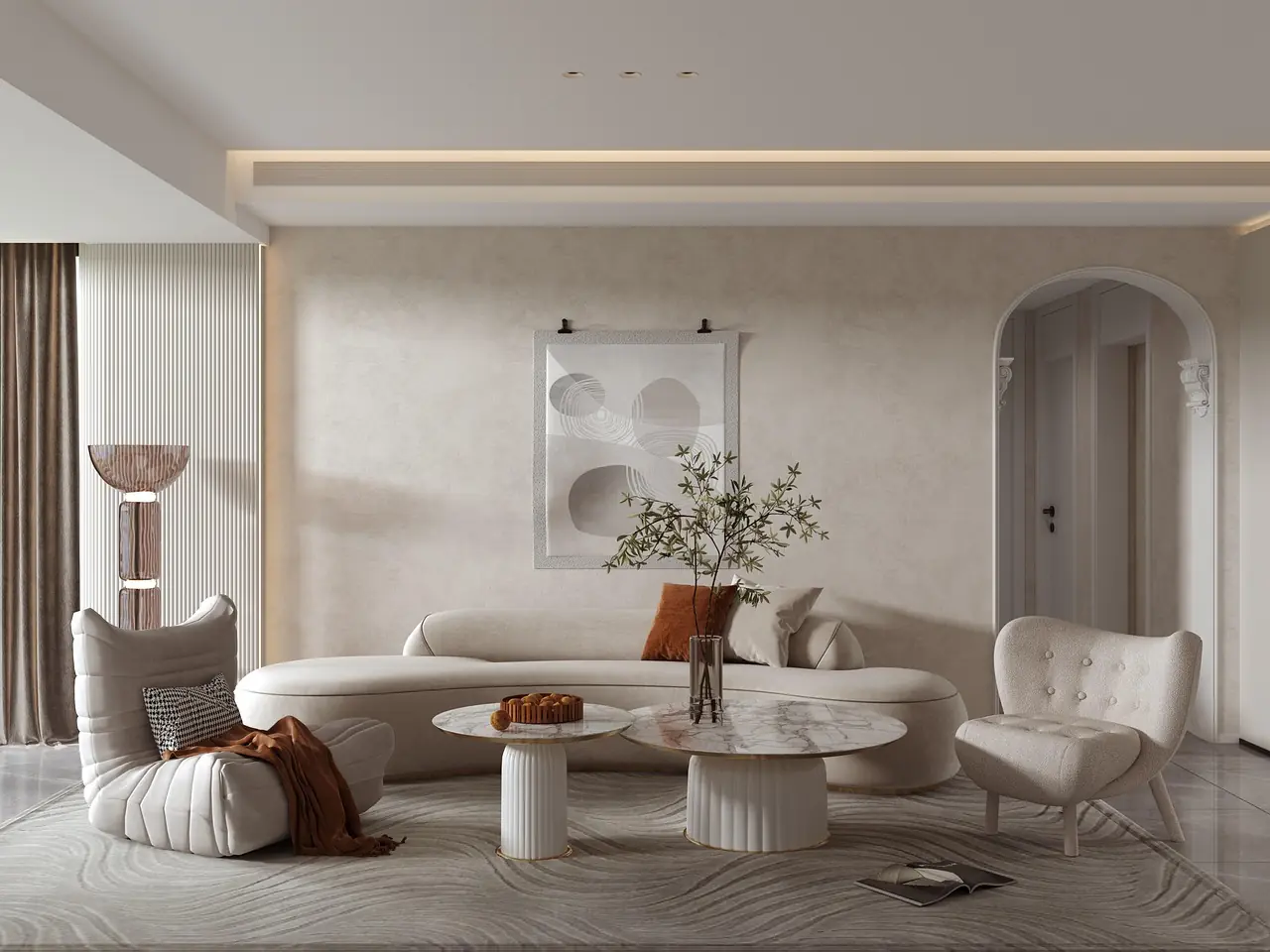
04 — Boucle · Fabric · Wood
Cream style
Rounded corners, curved arms
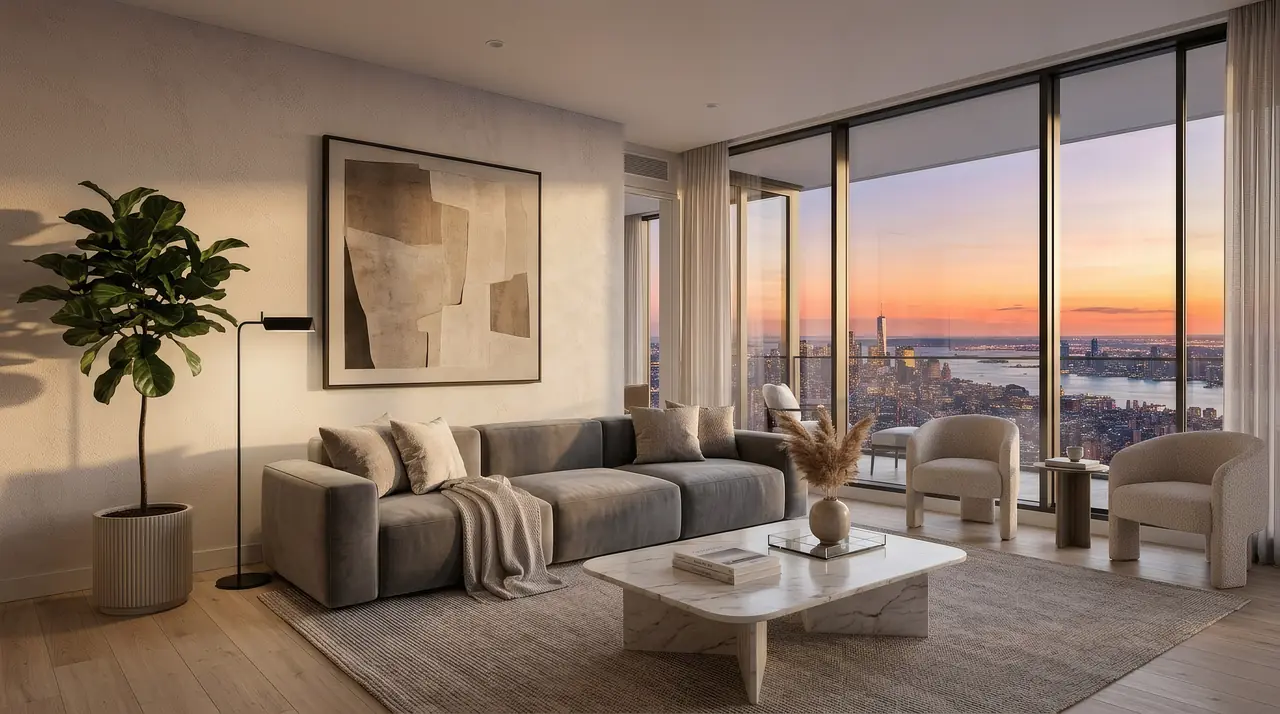
05 — Fabric · Wood · Metal
Modern minimalist
Rectilinear frames, clean edges
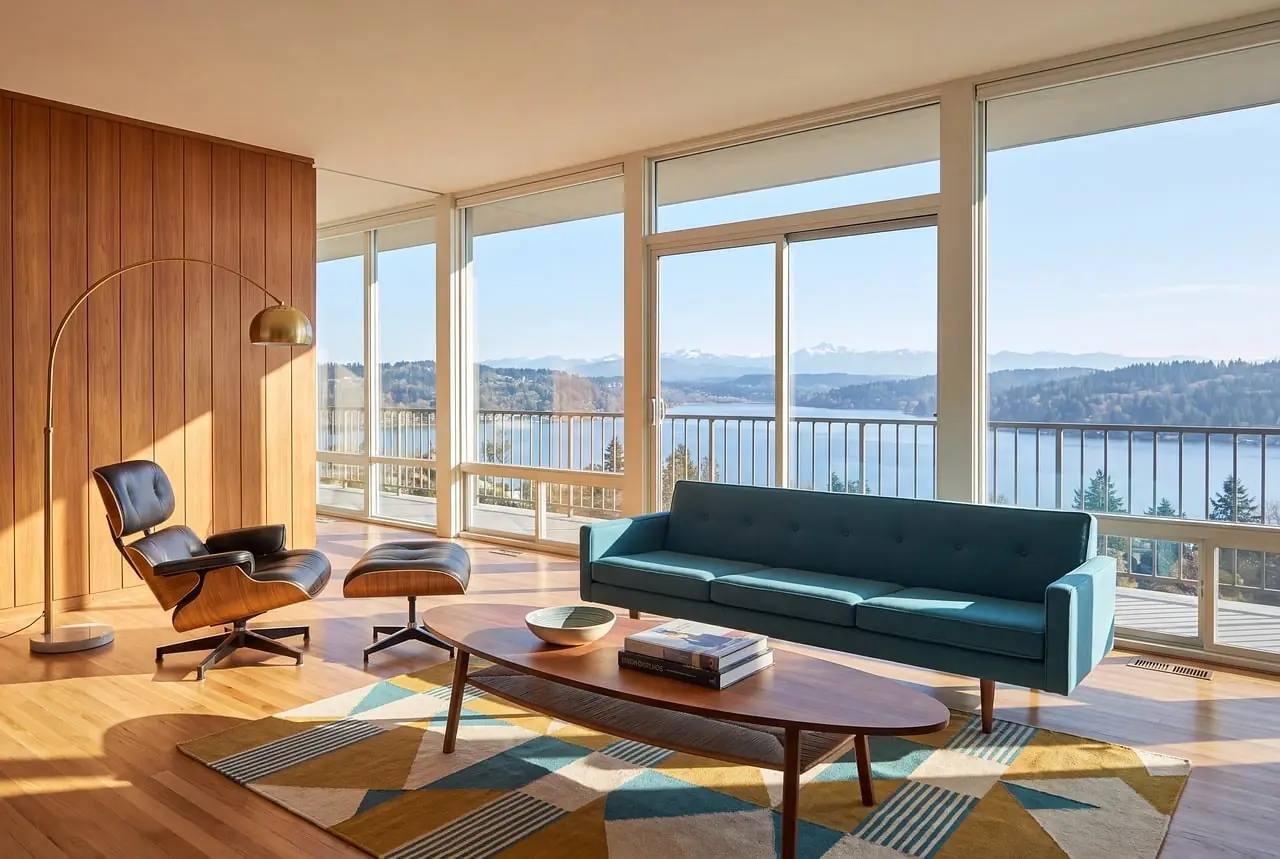
06 — Wood · Leather · Fabric
Mid-century modern
Tapered splayed legs, organic curves
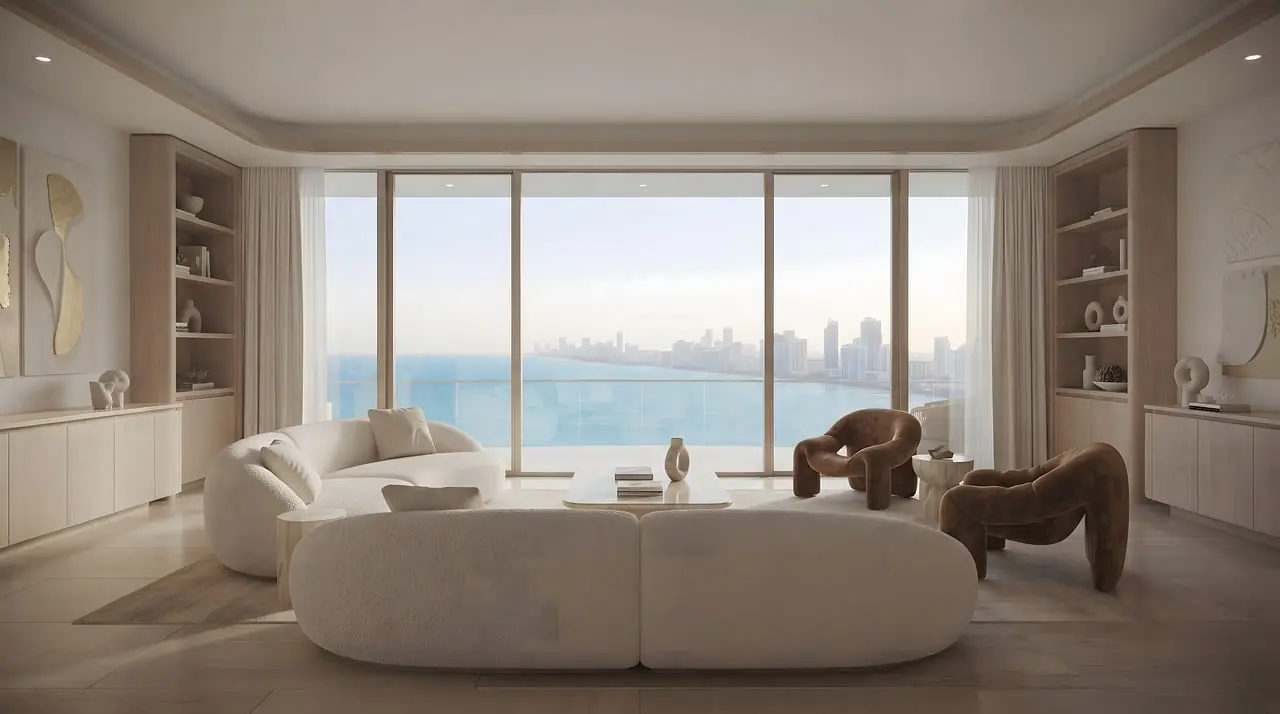
07 — Leather · Stone · Wood
Italian minimalist
Low long sofas, thin profiles
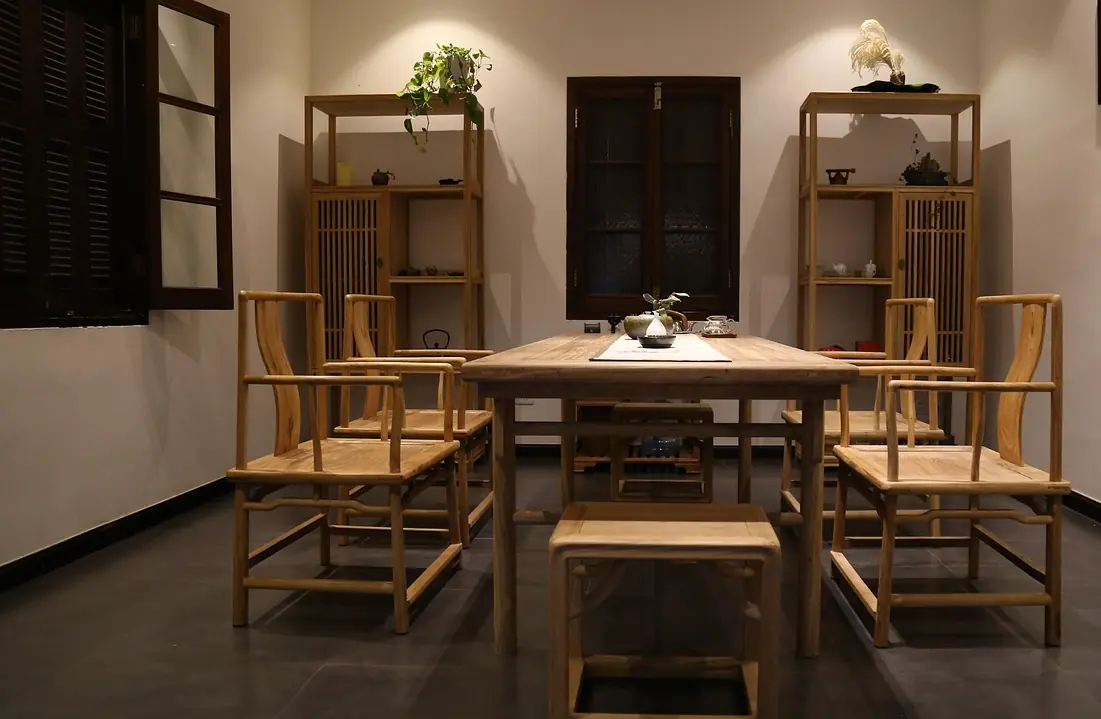
08 — Wood · Stone · Fabric
New Chinese
Ming-style chairs, straight lines with round-square motifs
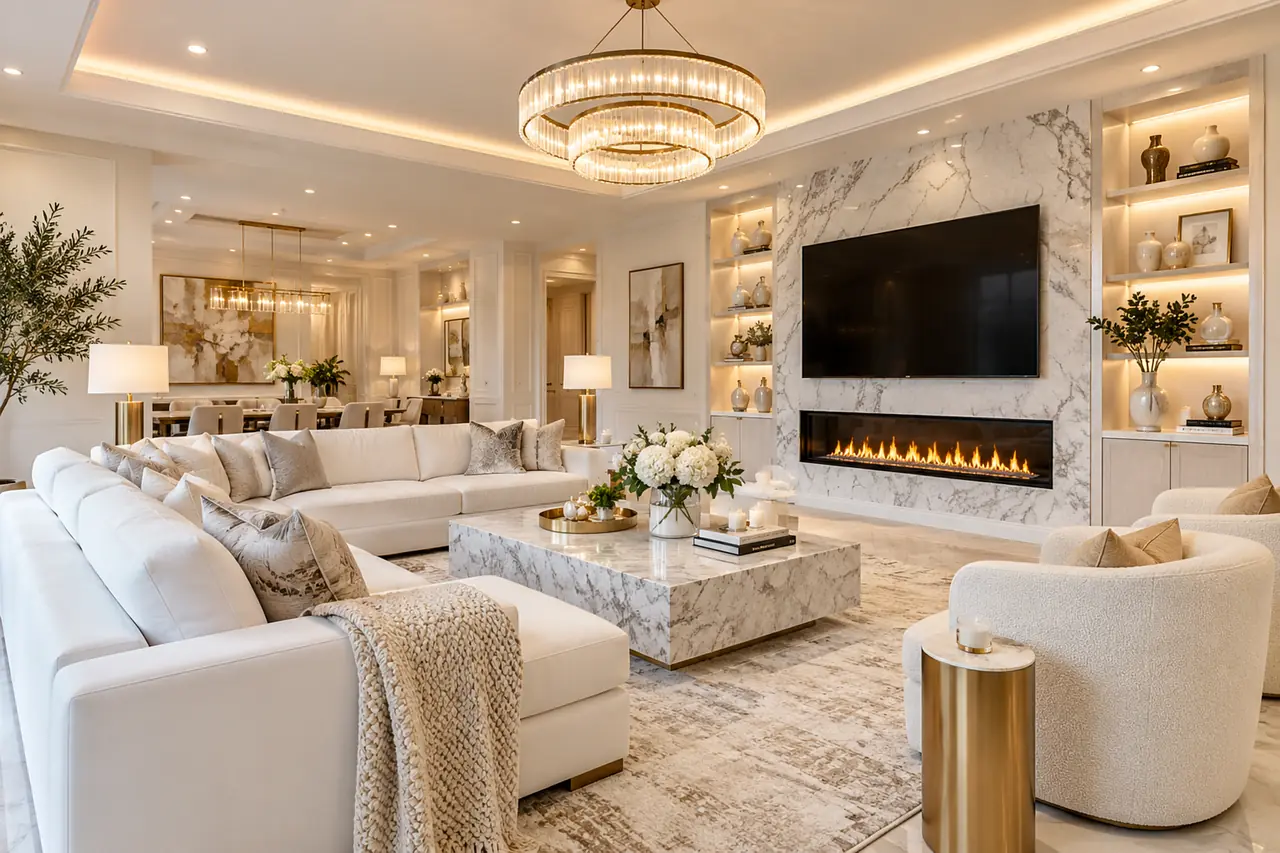
09 — Stone · Velvet · Leather
Light luxury
Slim gold or brass legs, channel tufting
Illustrative images (stock / AI-generated via Pixabay) — placeholders, not made with Floor Plan to Home. Credits.
Five things, in plain words.
- PaletteThe main colours and how much of each, from walls to accents.
- MaterialsWoods, stones, metals and textiles that belong to the style, and the finishes the AI designer reaches for first.
- ShapesThe signature furniture shapes: low or tall, rounded or straight, heavy or light.
- What to avoidThe details that break the look, so the designer leaves them out.
- LightThe warmth of the light, in kelvin and in words, for the renders.
Start with the light and the size of the room.
Pale, low-contrast styles such as Japandi, cream and modern minimalist make small or dark rooms feel larger. Darker, richer styles such as Italian minimalist, New Chinese and light luxury suit rooms with good daylight. If you cannot decide, try two styles on the same room and compare the renders.